This Monday, I attended a Yom HaShoah event for the Jewish youth in my town, Buenos Aires. In many ways, it was a typical ceremony. First, one of the organizers spoke, reminding us that April 13th marked a commemorative day. Then, a teacher was introduced, who reflected on the importance of educating society about what happened. Finally, a Holocaust survivor took the stage.
Her name was Elisabeth Kosiac, and in a synagogue, she shared her story with more than 250 adolescents.
For some, this might seem unbelievable, hundreds of young people gathered to listen to a Holocaust survivor’s testimony. For others, like me, who grew up within the Argentine Jewish community, it feels completely normal. Whenever a date of remembrance approaches, events are organized, and often survivors come to share their stories.
The same happens, for example, every March 17th, when Jewish youth gather at the corner of Arroyo and Suipacha to commemorate the terrorist attack on the Israeli embassy. There are hundreds of us, around 700 teenagers, remembering an event that happened before we were even born. And, fortunately, for us, that too feels normal. It’s something that happens every year.
That night, during dinner, my parents asked me and my sister, who had gone with me, how the event had been. As I’m used to these kinds of gatherings, I answered almost automatically, a teacher spoke about awareness, and a survivor came.
Then my sister said something that caught me off guard:
“Do you realize there’s a good chance she might be the last survivor you ever hear testify in person?”
At that moment, something didn’t sit right. What do you mean there won’t be any more survivors? What do you mean these events, so normal to me, will stop being that way?
If you think about it logically, it makes sense. Nearly 90 years after the Shoah, those who survived are now over 90 years old. Every day, there are fewer of them. And sooner or later, there will be no one left who can tell their story firsthand.
That thought stayed with me, what are we going to do when they’re no longer here? What does it mean to have had the chance to listen to them?
With all this in mind, today, April 14th, the day I’m writing this, I attended another Yom HaShoah event at school. But this time, no survivors spoke. Their grandchildren did. They told stories they hadn’t lived themselves, but that belonged to their grandparents. Because that child who survived Auschwitz at 12 would now be over 100 years old, and is no longer here to tell it.
And that’s when I understood something.
I understood that with the privilege of having listened to survivors comes a responsibility, to pass on what we heard. To tell their stories when they no longer can.
I also understood something else. Those events that always felt normal to me, 250 young people sitting in a synagogue listening, 700 standing on a street corner remembering, were never really normal. It’s not normal for so many young people to gather to remember something they didn’t live through. It’s not normal to have the chance to hear someone who was there.
It is a privilege.
A privilege that was never going to last forever, even if it often felt that way. We grew up thinking there would always be someone willing to stand on a stage and tell what they lived through, as if those voices would always be there.
But they won’t.
And now that we’re beginning to understand that this is coming to an end, something new emerges. Something more uncomfortable, but also more necessary.
Responsibility.
Because soon, there will be no survivors left to speak in the first person. And that silence won’t fill itself. We will have to fill it, with what we heard, what we learned, and what we choose to remember.
Maybe that’s what all of this was about from the beginning. Not just listening. But being ready, one day, to be the ones who tell the story.
____
Este lunes fui a un acto de Iom HaShoá de la juventud judía en Buenos Aires, donde vivo. Fue, en muchos sentidos, un acto bastante típico. Primero habló quien lo organizaba, recordando que el 13 de abril se conmemoraba el día. Después presentó a un profesor que reflexionó sobre la importancia de educar a la sociedad sobre lo que pasó. Y finalmente, subió al escenario una sobreviviente de la Shoá.
Su nombre era Elisabeth Kosiac, y en un templo, contó su historia frente a más de 250 jóvenes.
Para algunos, esto puede parecer una locura, cientos de jóvenes reunidos para escuchar el testimonio de una sobreviviente del Holocausto. Para otros, como yo, que crecí dentro de la comunidad judía argentina, es algo completamente normal. Siempre que se acerca una fecha de conmemoración, se organizan actos, y muchas veces hay sobrevivientes que vienen a contar su historia.
Lo mismo pasa, por ejemplo, cada 17 de marzo, cuando la juventud judía se reúne en la esquina de Arroyo y Suipacha para recordar el atentado a la embajada de Israel. Somos cientos, alrededor de 700 adolescentes, conmemorando un hecho que ocurrió antes de que naciéramos. Y, por suerte, para nosotros eso también es habitual. Es algo que pasa todos los años.
Esa noche, durante la cena, mis papás nos preguntaron a mi hermana, que había ido conmigo, y a mí cómo había sido el acto. Yo, tan acostumbrada a este tipo de eventos, respondí casi automáticamente, habló un profesor sobre concientización y vino una sobreviviente.
Entonces mi hermana dijo algo que me descolocó:
“¿Vos sabés que hay muchas chances de que ella haya sido la última sobreviviente que veas dar testimonio en persona?”
En ese momento, algo me hizo ruido. ¿Cómo que no va a haber más sobrevivientes? ¿Cómo que estos actos, tan normales para mí, van a dejar de serlo?
Si uno lo piensa fríamente, tiene sentido. A casi 90 años de la Shoá, quienes lograron sobrevivir hoy tienen más de 90 años. Cada día quedan menos. Y, tarde o temprano, ya no va a haber nadie que pueda contar en primera persona lo que vivió.
Ese pensamiento se me quedó dando vueltas en la cabeza, ¿qué vamos a hacer cuando ya no estén? ¿Qué significa haber tenido la posibilidad de escucharlos?
Con todo esto en mente, hoy, 14 de abril, día en el que escribo esto, tuve otro acto de Iom HaShoá en el colegio. Pero esta vez no hablaron sobrevivientes. Hablaron sus nietos. Contaron historias que no vivieron ellos, sino sus abuelos. Porque ese niño que sobrevivió a Auschwitz a los 12 años hoy tendría más de 100, y ya no está para contarlo.
Y entonces entendí algo.
Entendí que con el privilegio de haber escuchado a sobrevivientes viene una responsabilidad, la de transmitir lo que escuchamos. La de contar sus historias cuando ellos ya no puedan hacerlo.
También entendí algo más. Que esos actos que siempre me parecieron normales, 250 jóvenes en un templo escuchando, 700 en una esquina conmemorando, en realidad nunca lo fueron. No es normal que tantos jóvenes se junten a recordar algo que no vivieron. No es normal tener la posibilidad de escuchar a alguien que estuvo ahí.
Es un privilegio.
Un privilegio que no fue eterno, aunque muchas veces lo sentimos así. Crecimos pensando que siempre iba a haber alguien dispuesto a subir a un escenario y contar lo que vivió, como si esas voces fueran a estar ahí para siempre.
Pero no.
Y ahora que empezamos a entender que eso se está terminando, aparece algo nuevo. Algo más incómodo, pero también más necesario.
La responsabilidad.
Porque en poco tiempo ya no va a haber sobrevivientes que hablen en primera persona. Y ese vacío no se va a llenar solo. Lo vamos a tener que llenar nosotros, con lo que escuchamos, con lo que aprendimos, con lo que decidamos recordar.
Tal vez de eso se trataba todo esto desde el principio. No solo de escuchar. Sino de estar listos para, algún día, ser nosotros los que contemos la historia.
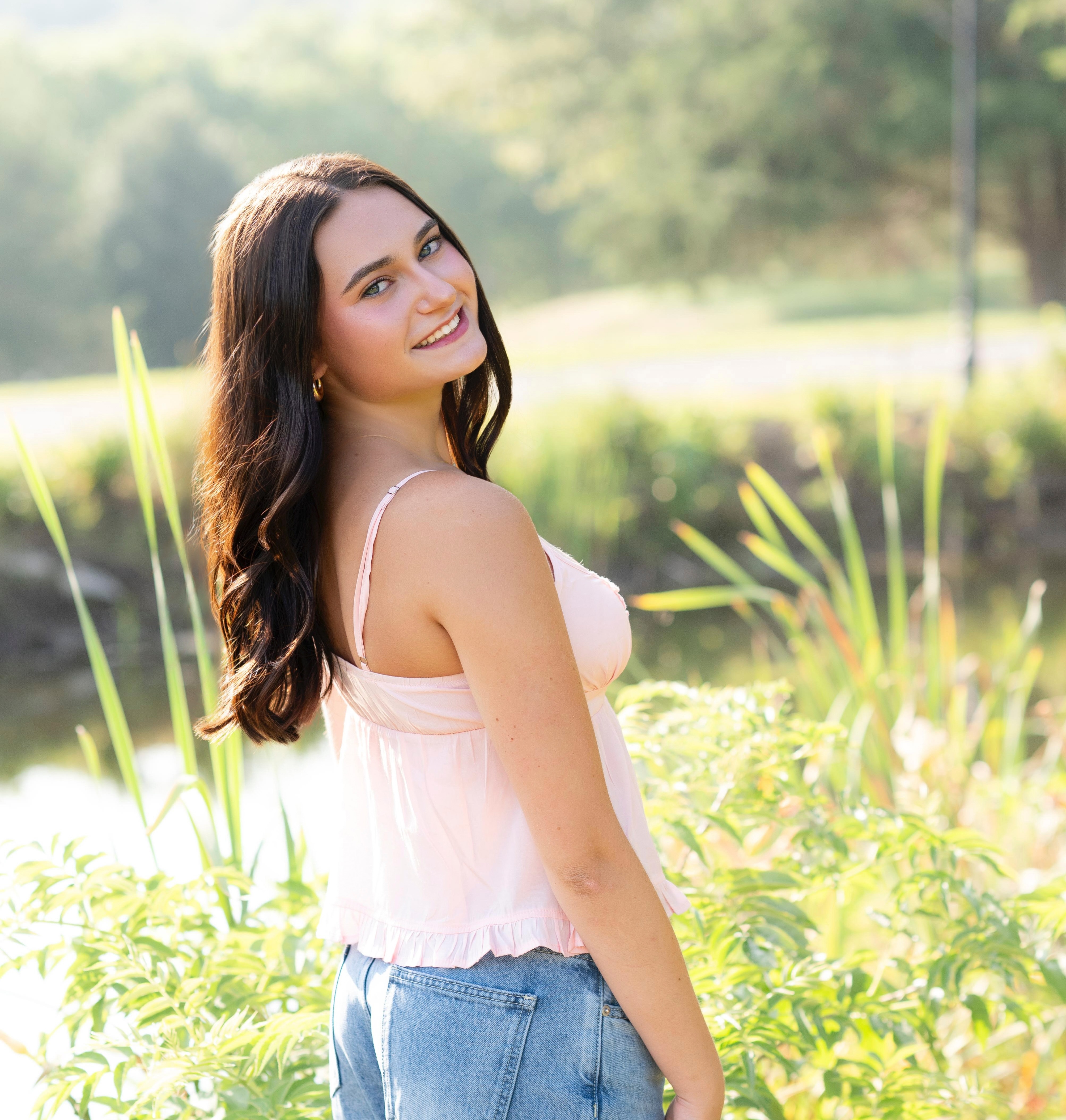
Melina Kenigsberg is a BBG from SHAbados BBYO #5045 in BBYO Argentina and her favorite color is light purple.
All views expressed on content written for The Shofar represent the opinions and thoughts of the individual authors. The author biography represents the author at the time in which they were in BBYO.